Mobile Gaming Mania Grips Bangladesh with Record Downloads and Revenue
ARTICLE:
In Bangladesh, mobile gaming has become an integral part of youth culture, and the numbers are staggering. Over the past two years, mobile gaming revenue has skyrocketed by 300%, with a whopping 100 million downloads in the same period. This explosive growth can be attributed to the increasing accessibility of smartphones and affordable data plans that have made gaming a reality for the masses.

Key Factors Contributing to the Rise in Mobile Gaming
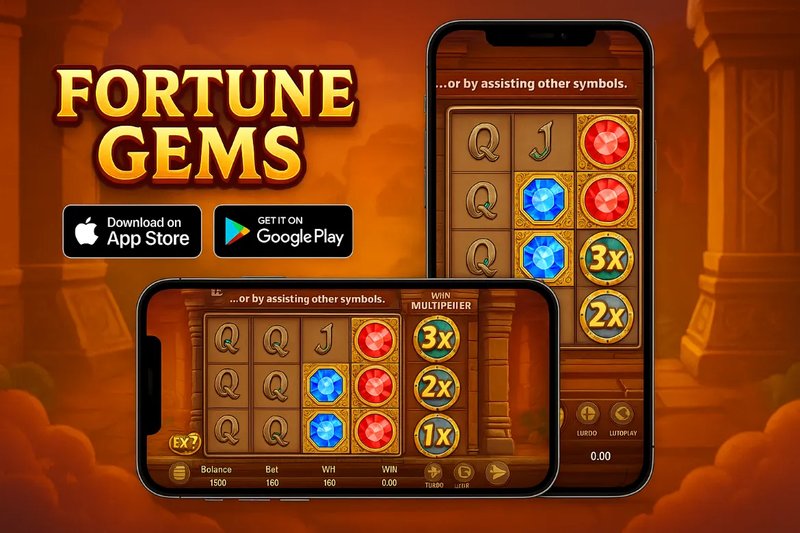
So, what’s behind this mobile gaming boom in Bangladesh? For one, the country’s rapidly growing middle class has created a large and affluent demographic with disposable income, eager to spend on entertainment. The proliferation of affordable smartphones and data plans has also made gaming accessible to a wider audience. And then there’s social media, which has created a platform for gamers to connect, share their experiences, and participate in online gaming communities. As gamers explore new horizons, some are discovering the thrill of online slots, such as tada gaming fortune gems 2, which offers an immersive experience that combines exciting gameplay with the rush of slots.
Popular Mobile Games in Bangladesh
When it comes to gaming preferences in Bangladesh, there’s no one-size-fits-all approach. However, some titles have stood out as particularly popular among gamers. PUBG Mobile, Free Fire, and Call of Duty: Mobile top the list of most downloaded games, followed closely by Candy Crush, Clash of Clans, and Asphalt 9.
The Rise of Esports in Bangladesh
The mobile gaming boom has also given birth to a thriving esports scene in Bangladesh. Several professional gaming teams have been established in recent years, competing in international tournaments and events. The Bangladesh Gaming League, launched in 2020, has become a flagship esports event in the country, attracting top talent from around the region.
Challenges Ahead
While the mobile gaming industry in Bangladesh is growing rapidly, there are several challenges that need to be addressed. The industry is largely unregulated, which raises concerns about game content and online safety. The country’s relatively slow internet speeds and frequent network outages can also hinder the gaming experience. Additionally, the industry’s informal nature makes it difficult to track revenue and monitor its economic impact.
Conclusion
The mobile gaming industry in Bangladesh is a rapidly growing and dynamic sector that shows no signs of slowing down. With its massive user base, diverse gaming preferences, and thriving esports scene, Bangladesh is poised to become a major player in the global gaming industry. As the sector continues to evolve, it will be interesting to see how the government and industry stakeholders address the challenges ahead and capitalize on the opportunities presented by this booming market.

About author
